
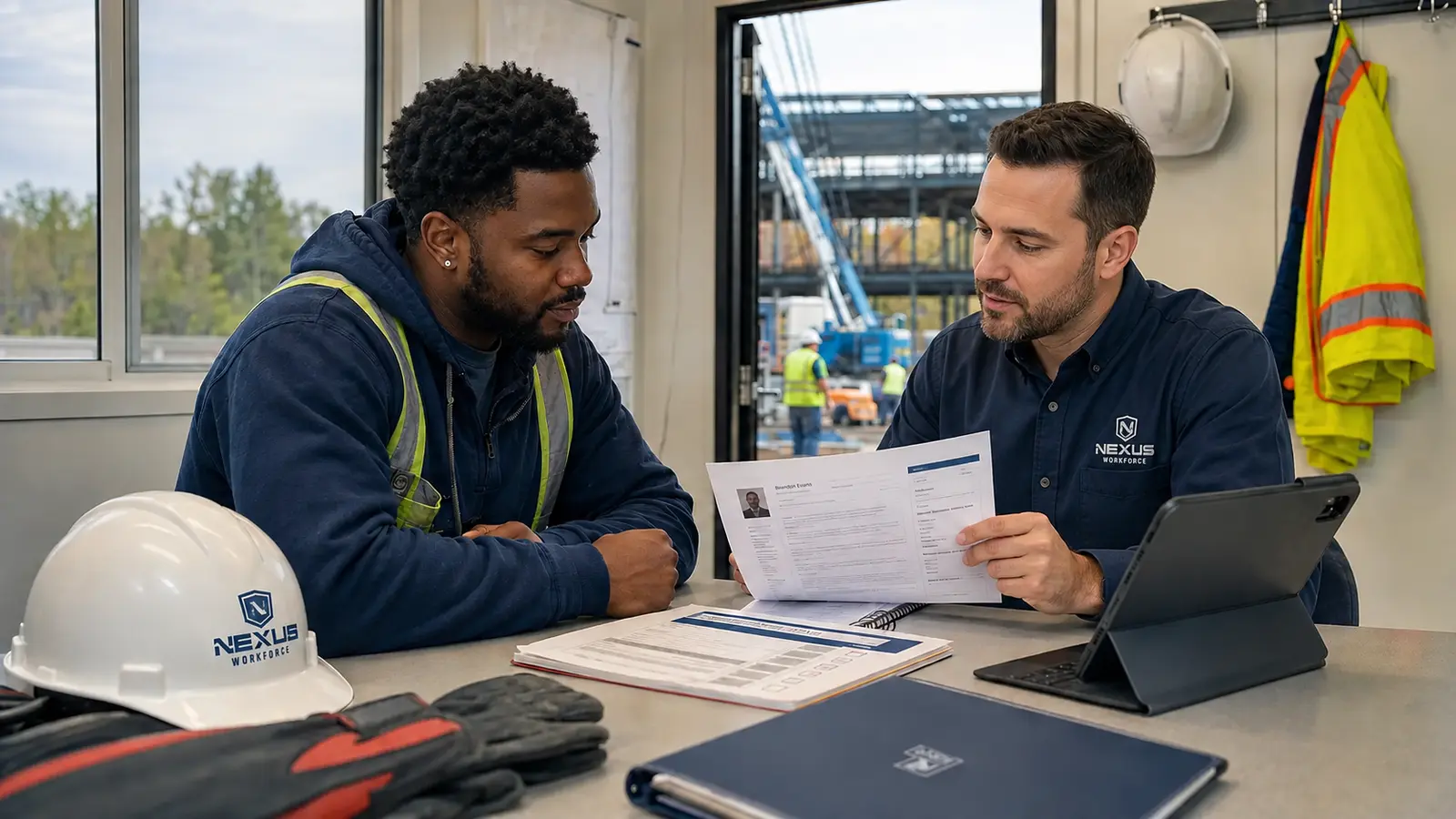
Electrical construction is growing across the Carolinas and throughout the United States, but project demand rarely moves in a straight line. New awards, accelerated schedules, weather delays, change orders and overlapping phases can quickly create labor needs that a permanent workforce cannot absorb. Building stronger electrical crews in a growing market requires more than adding headcount. It requires a deliberate staffing strategy that aligns the right experience, supervision and support with each stage of the work.
Strong Crews Are Designed, Not Simply Assembled
A productive electrical crew is a balanced system. Journeyman-level electricians provide independent technical execution, experienced leads translate the plan into daily priorities, and apprentices or helpers support production while developing their skills. If every worker is assigned without considering responsibility, complexity and communication, even a large crew can struggle to meet the schedule.
Before requesting additional labor, contractors should identify the work that must be completed during the next several weeks. Is the team roughing in a commercial building, installing conduit and cable tray, terminating equipment, completing controls work or preparing for inspection? Each phase calls for a different combination of experience and independence. Defining those requirements early gives the staffing partner a clear target and improves the likelihood that incoming workers can contribute quickly.
Plan the Crew Mix Around the Work
A strong crew mix starts with distinguishing positions that require independent decision-making from tasks that can be performed under direction. Critical installations, energized environments, advanced troubleshooting and coordination with other trades may require experienced electricians with relevant commercial, industrial or infrastructure backgrounds. Material handling, layout support, basic installation and organized preparation may be suitable for developing talent under qualified supervision.
This approach helps contractors use experienced labor where it has the greatest impact while creating a practical path for less experienced workers to support production. It also prevents a common staffing mistake: recruiting to a job title without explaining the actual project conditions, tools, schedule and expected level of autonomy.
Protect Supervision Capacity
Adding people only improves performance when field leaders can direct them effectively. Foremen and supervisors already manage safety, production, coordination, quality and reporting. If too many new workers arrive at once without a structured onboarding plan, leadership capacity can become the new bottleneck.
Contractors should evaluate foreman coverage before expanding a crew. Consider who will conduct the site orientation, explain project-specific safety expectations, assign work areas, confirm tool requirements and review the first completed tasks. Staggered start dates can be useful when a large labor increase would overwhelm onboarding. Pairing new workers with experienced team members can also improve communication and reveal skill alignment before the employee is assigned more independent responsibilities.
Recruit for Project Fit, Not Headcount
A qualified electrician is not automatically the right fit for every assignment. Relevant experience matters. A candidate who has spent years in residential service may not be prepared for the production rhythm, equipment or coordination demands of a large commercial project. Likewise, an industrial shutdown can require a different work style from a long-duration infrastructure build.
Effective screening should confirm the candidate’s recent work history, practical experience with the planned scope, availability, transportation, schedule expectations and ability to work within the contractor’s safety and communication systems. The goal is not to promise that every placement will be perfect. The goal is to make a better-informed match and give both the contractor and worker a clear understanding of the assignment.
Build a Repeatable Staffing Intake Process
Contractors can respond faster to changing demand when each labor request follows the same intake process. A useful request should include the project location, anticipated start date, expected duration, shift, overtime outlook, scope of work, experience level, tools and PPE requirements, reporting instructions and on-site point of contact. It should also explain any project conditions that may affect the candidate, such as outdoor work, heights, travel, secure access or unusual scheduling.
Documenting these details reduces back-and-forth communication and helps recruiters evaluate candidates against the real assignment. It also creates a repeatable internal record. As projects change, the contractor can update a familiar request instead of rebuilding the process under schedule pressure.
Develop the Pipeline Before the Need Becomes Urgent
The most reliable staffing decisions are made before a crew reaches a critical shortage. Contractors should share likely project awards, upcoming phases and potential schedule changes with their staffing partner whenever practical. That visibility allows recruiting activity to begin earlier and creates time to identify candidates whose experience aligns with the anticipated work.
A flexible workforce strategy does not replace the contractor’s core team. It supports that team by creating options. Contractors can scale for a defined phase, respond to an unexpected gap or add specialized experience without carrying the same labor level through every point in the project cycle.
Integrate New Workers Into Daily Planning
Successful placement continues after the worker reports to the jobsite. New team members need clear direction about daily production goals, break schedules, reporting lines, material flow, quality standards and how questions should be raised. A short check-in at the end of the first shift can identify misunderstandings before they affect safety or productivity.
Contractors should also provide timely feedback to the staffing partner. Specific observations about technical performance, attendance, communication and crew fit make it easier to address concerns and improve future matches. Over time, this feedback becomes a valuable part of a repeatable workforce process.
How Nexus Workforce Helps Build Stronger Electrical Crews
Nexus Workforce helps electrical contractors translate project needs into focused recruiting and staffing decisions. Rather than treating every request as a simple number, the process begins with the work: the project environment, scope, schedule, expected experience and level of supervision available. That information guides candidate outreach and screening for commercial construction, industrial installations and infrastructure assignments.
For growing contractors, Nexus Workforce can support a flexible labor strategy that complements the permanent team. When an award accelerates, project phases overlap or a labor gap appears, contractors have a staffing partner prepared to understand the request and help identify qualified electrical personnel. Clear communication before the start date and responsive follow-up after placement help keep the focus on stronger crews, safer jobsites and reliable project delivery.
Build Capacity Before the Schedule Gets Tight
In a growing market, workforce planning is a competitive advantage. Contractors that define the crew mix, protect field leadership, standardize labor requests and communicate future demand are better prepared to scale without losing control of quality or safety. The right staffing relationship adds flexibility while preserving the strength of the core organization.